
Enterprise AI Strategy
Build a deterministic, autonomous data foundation for enterprise AI that scales with your ambition.
10 posts
The bottleneck for enterprise AI is not the LLM. It is the data foundation. If your infrastructure is built on probabilistic views and manual catalogs, you are paying a complexity tax that prevents you from scaling. Colrows is the autonomous engine that converts your data into a deterministic, high-trust strategic asset.
Strategy Benchmark
| Strategic Metric | Fragmented/Legacy Stack | Colrows Autonomous Strategy |
|---|---|---|
| Time-to-Insight | Weeks (Manual/Brittle) | Days (Autonomous/Compiled) |
| Operational Risk | High (Hallucination/Drift) | Low (Deterministic/Governed) |
| Cost-to-Scale | Exponential (Manual headcount) | Linear (Compiler-driven) |
| Data Trust | Low (Metric Drift) | High (Unified Semantic Graph) |
Three Strategic Priorities
The Autonomous Shift
Why autonomous data infrastructure is the only way to scale AI. Manual governance cannot keep pace with multi-agent deployments. Deterministic compilation replaces human effort with deterministic logic.
Governed Intelligence
Managing risk through compile-time semantic control. Governance is not a layer on top. It is the compiler that defines the perimeter. Access, audit, and compliance become structural, not reactive.
The ROI of Determinism
Reducing operational overhead by replacing manual logic maintenance with compilation. Knowledge machines eliminate the cost and complexity of managing static metrics and reconciling definitions across teams.
Core Principle: Strategy is the art of prioritization. Prioritize your context. Build the foundation that scales with your ambition. Fix the Context, Not the Model.
The Semantic Divide separates future-ready enterprises from the rest. Enterprises that compile their AI through governed meaning will move faster, audit cheaper, and keep regulators on side. The ones still wiring meaning per-agent will spend the next five years rebuilding context they should have modelled once.
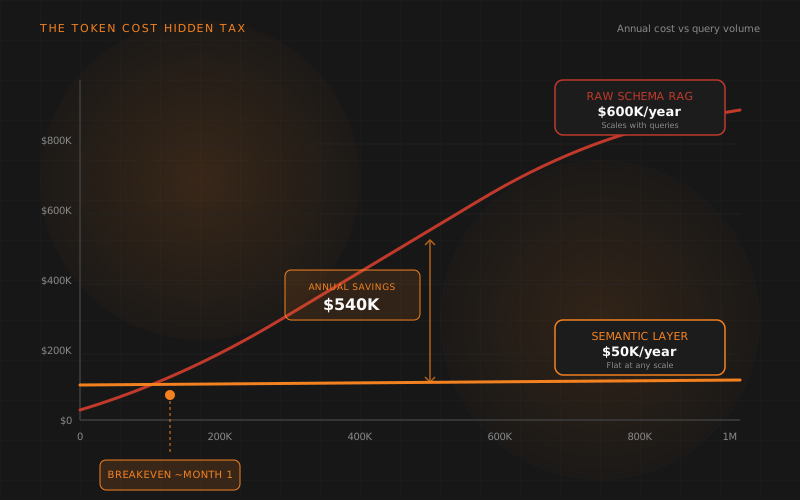
Token Cost: Why Brittle Semantic Layers Bleed Capital
Raw-schema RAG costs $600K/year. A semantic layer costs $50K. The CFO's guide to enterprise AI economics.
Read more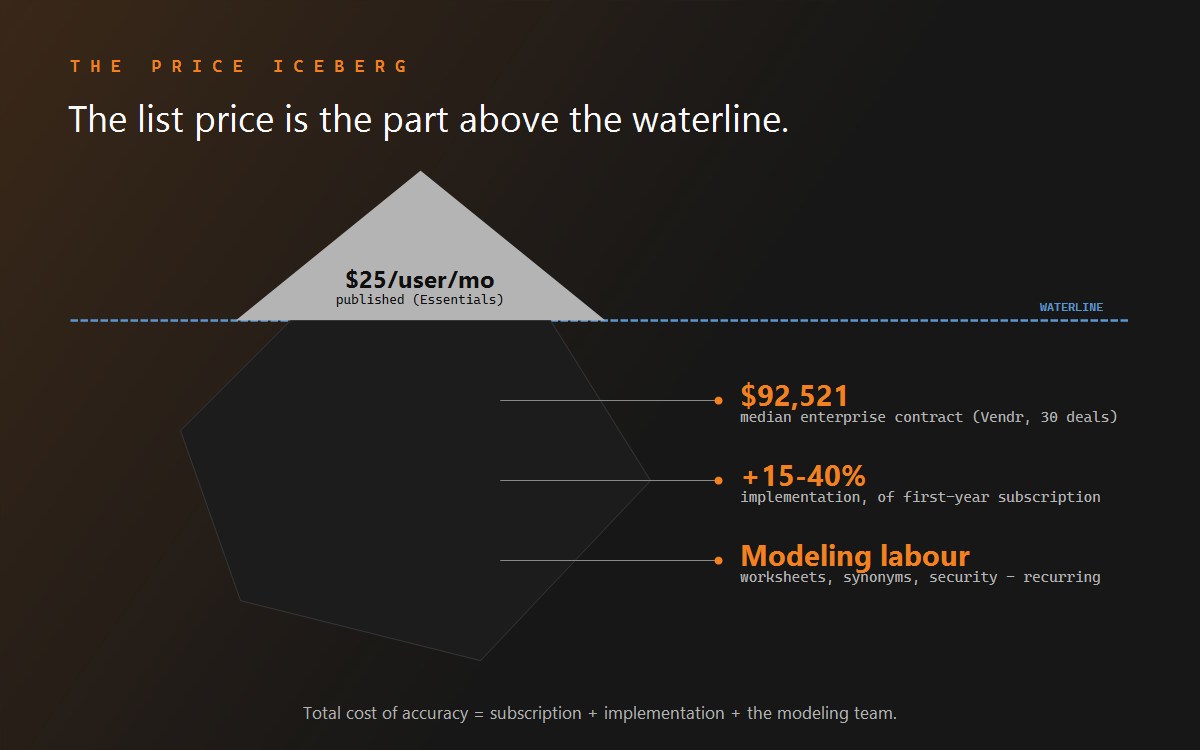
ThoughtSpot Pricing Explained: List Price, Real Contracts, and the Cost of Modeling
$25/user/month on the page, $92,521 median in procurement data - and the modeling line neither includes.
Read more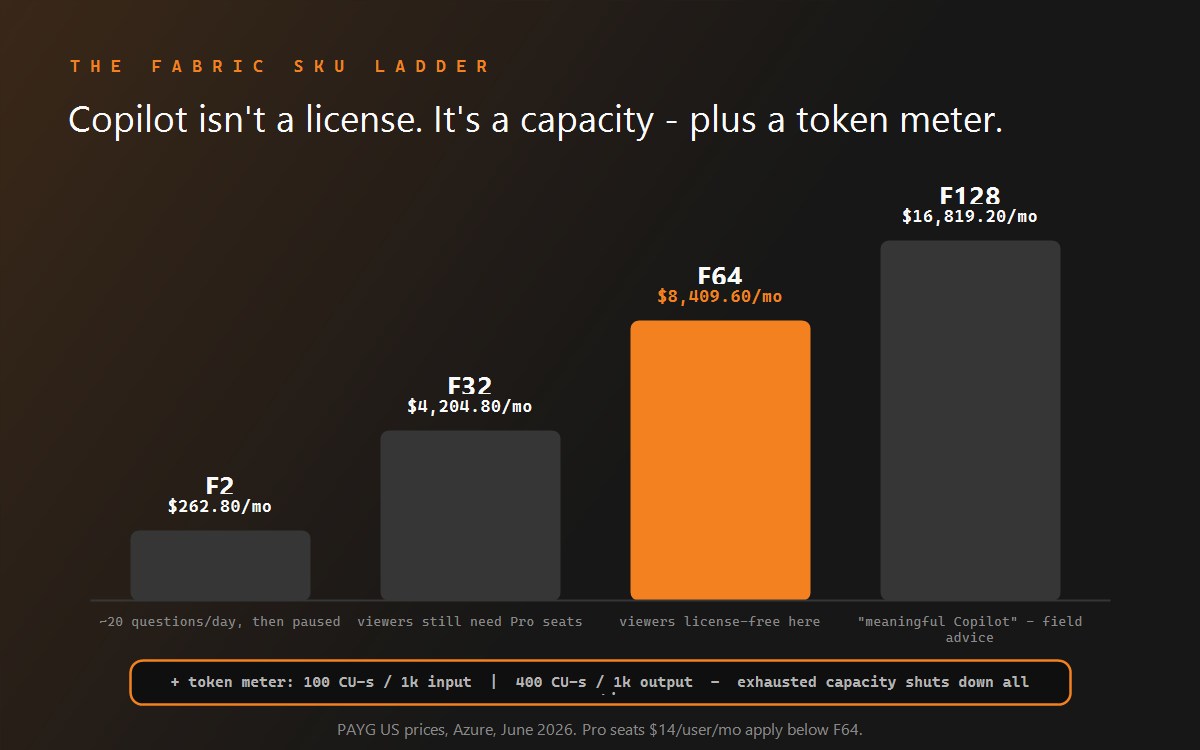
Power BI Copilot Pricing: The Fabric Capacity Reality (2026)
Not a license - a capacity, plus a token meter. The real numbers, field-measured.
Read more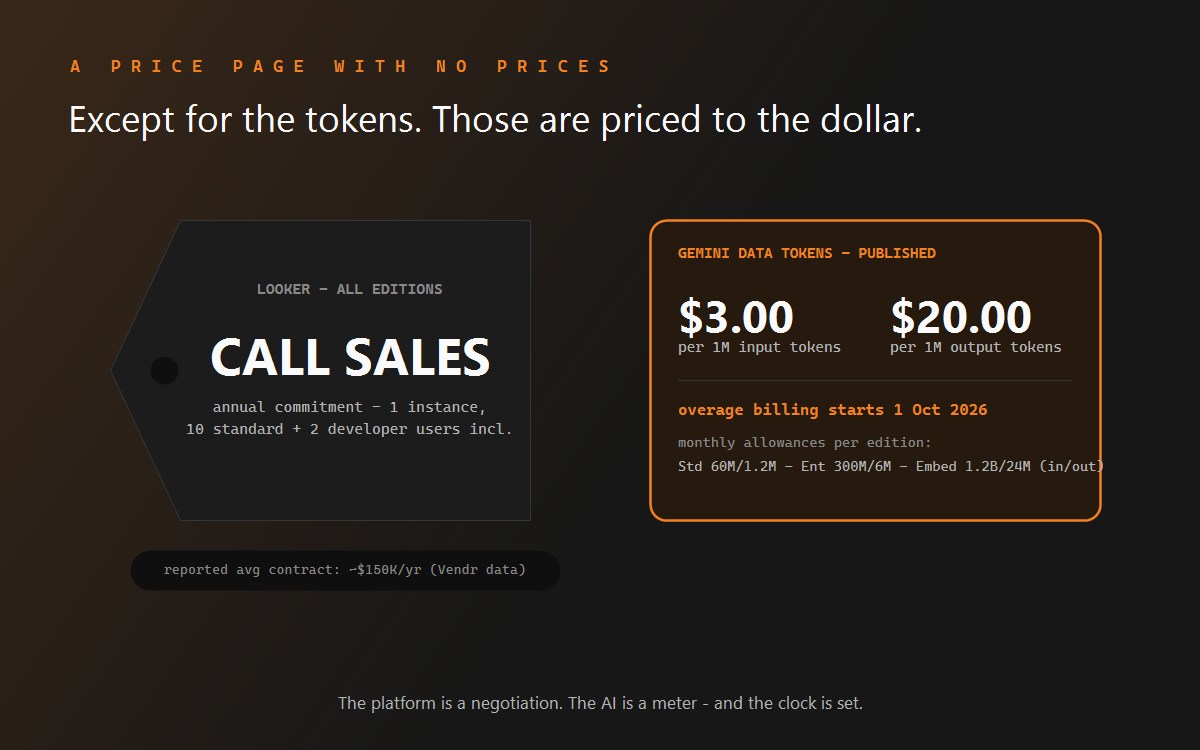
Looker Pricing in 2026: What Google Publishes, What You Actually Pay
No list prices - except the token meter, priced to the dollar with the clock set for October.
Read more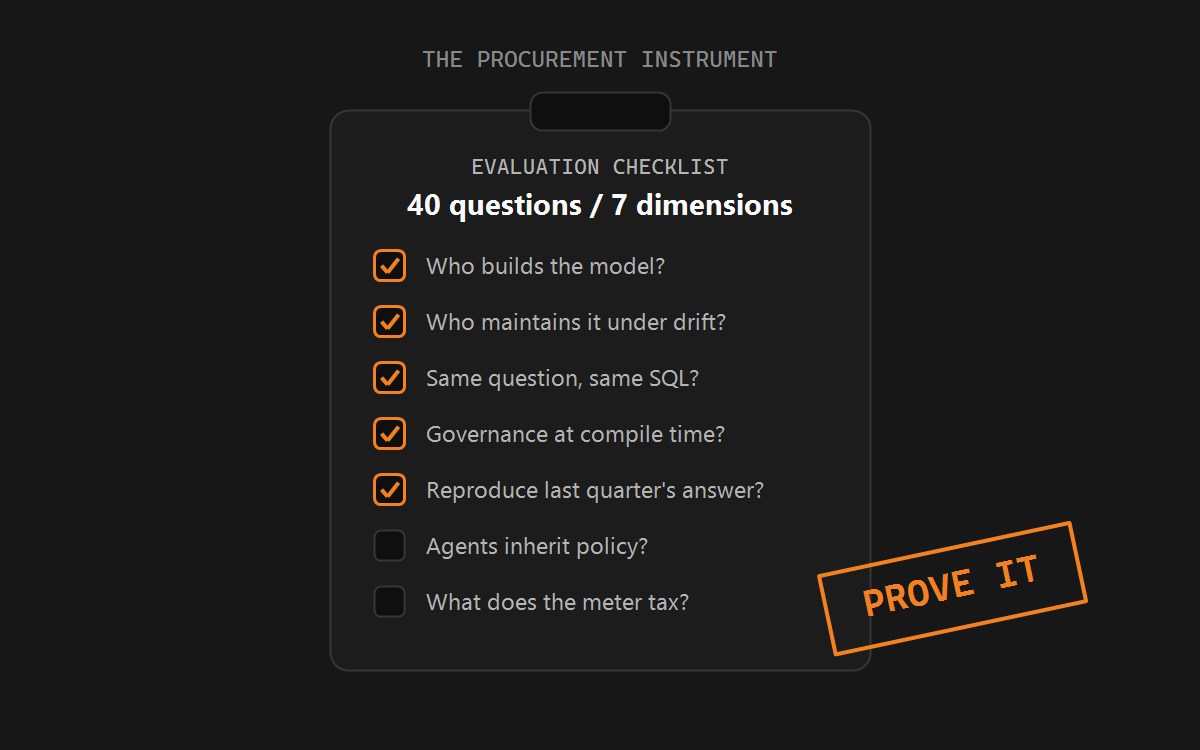
The Semantic Layer Evaluation Checklist: 40 Questions to Ask Before You Buy
40 questions across 7 dimensions, built for RFPs - each with the follow-up that exposes a weak answer.
Read more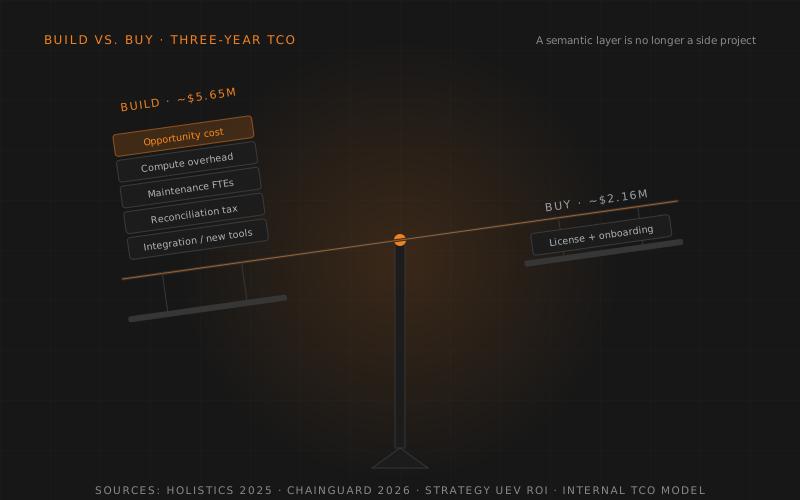
The Build vs. Buy Decision for Enterprise Semantic Layers: What Teams Get Wrong
A practical framework for the real three-year cost of building your own semantic layer - and the tipping points that should change your mind.
Read more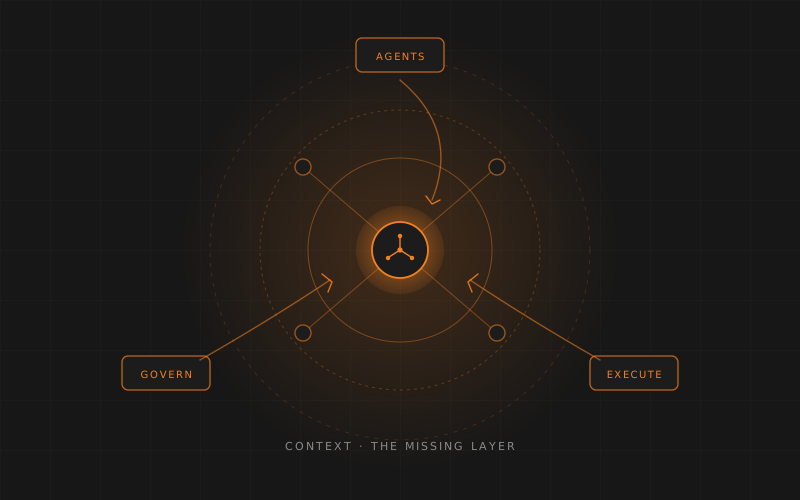
From Copilots to Autonomous Companies: Building AI-Native Operations
Why the bottleneck to enterprise AI is no longer the model. It is the context - and why an autonomous semantic layer is the missing infrastructure.
Read more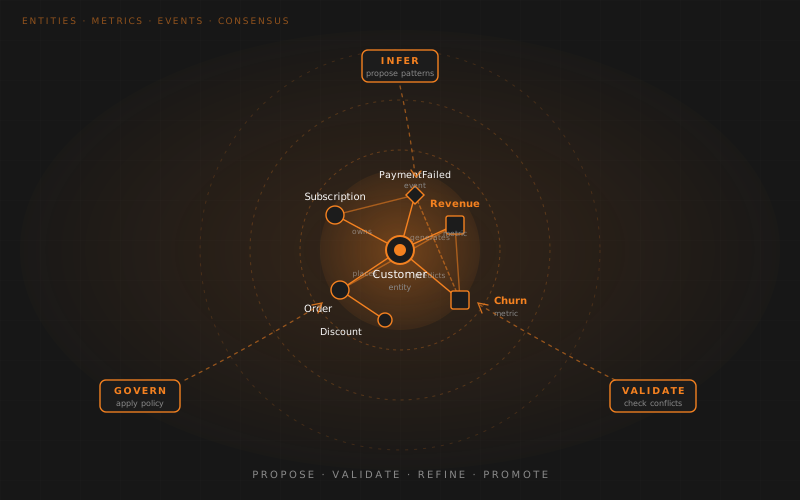
Company Brain for Enterprise AI: Why the Data Layer Decides Everything
YC calls it the missing primitive. Why your wiki, your data catalog, and your RAG pipeline are not it.
Read more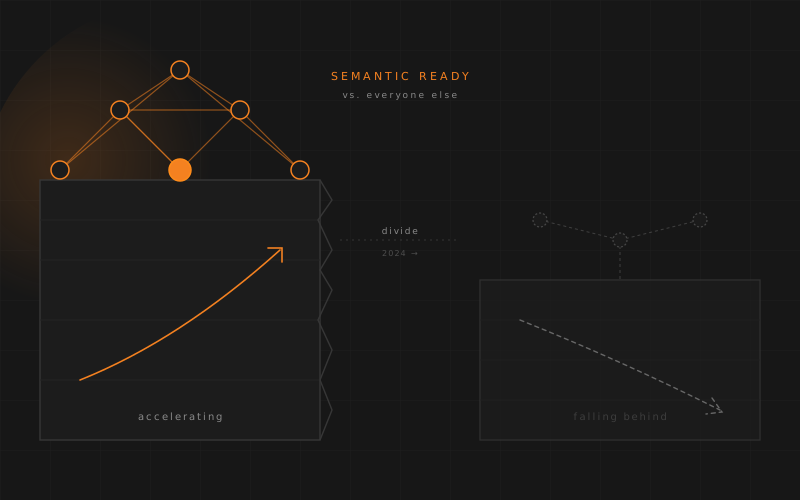
The Semantic Divide: Why Deterministic Infrastructure is the New Competitive Moat
Why future-ready enterprises will outpace the rest - and what's at stake for laggards.
Read more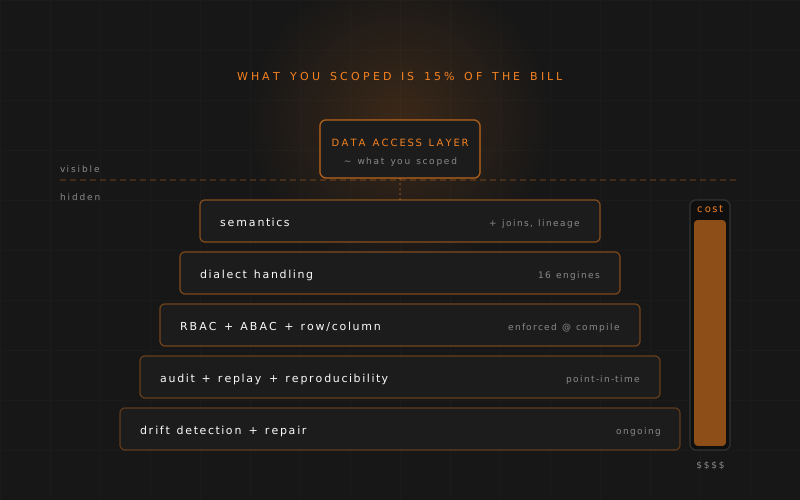
The Hidden Cost of Building Your Own Data Access Layer
Roll your own semantic + governance + dialect handling - here's the bill.
Read more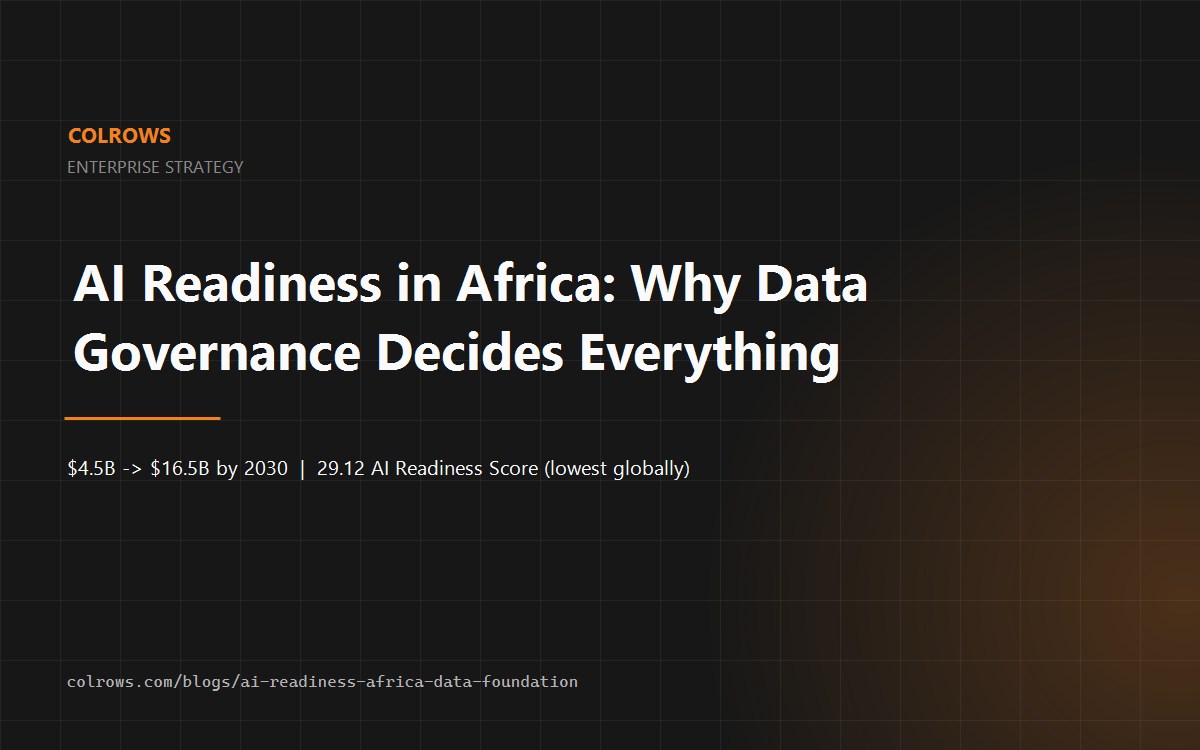
AI Readiness in Africa: Why Data Governance Decides Everything
Africa's AI market will hit $16.5B by 2030. But 80% of AI projects fail without governed data. The fix is a semantic layer, not a better model.
Read moreReady to align your data strategy with your AI ambition?
Book a strategic architecture review. Build a deterministic data foundation that scales with your enterprise.